This post may contain affiliate links. Please read our disclosure policy.
When you’re just getting started with sourdough, one of the main questions you may have is, “When is sourdough starter ready to use?” And especially, “When will my starter be ready to make sourdough bread?”
I know how foreign the whole sourdough process can feel when you’re just starting out. First, there’s learning how to make your own sourdough starter (or activating a purchased one), and then there are all the steps to learning how to feed and maintain your new sourdough starter.
And after all that, then you’re left wondering how long it will take before you actually get to use it in recipes!
I want to reassure you that you can do this, and once you get it going, it’s not as hard as it seems in the beginning. After a while, it will all start to feel pretty effortless and simple, if it’s something you enjoy doing.
In no time, you’ll be making your own sourdough sandwich bread, sourdough English muffin bread, and even blueberry cream cheese sourdough bread.
When is Sourdough Starter Ready to Use?
Every sourdough starter is different, and some will be ready to use earlier than others. Generally speaking, your starter will take at least 7 days to be ready to use in sourdough discard recipes. Before this time, I recommend just putting the discard on the compost pile or throwing it away.
The reason for this is that the good bacteria are still trying to get established during this period of growth for a young starter.
A Mature Starter Requires Time
After 7 days, it can still take another week or two before I would even think of using a new starter to make bread. But if you have a healthy sourdough starter, you can use it to make discard recipes like sourdough Irish soda bread, overnight sourdough biscuits, and sourdough banana bread.
The reason for waiting until you have a mature sourdough starter before attempting to make bread, is that your first attempt will be way more successful if your sourdough starter is mature and healthy first. Sourdough starter needs to be strong enough to raise a loaf of bread. In the meantime, keep feeding it and caring for it, keeping it on the kitchen counter for the first few weeks.
Keeping it at room temperature (rather than in the refrigerator) in the early stages will encourage your starter to grow and mature, which is what will help you to be successful with making sourdough bread.
After about 14 days, some sourdough starters will be mature enough to use to make bread. For some, it will take longer. The key to sourdough maturity is simply time. Allow your starter to grow and mature, as you feed and care for it, and you’ll be amazed at the difference this makes in how your bread turns out! You’ll soon have an active starter, and all of your hard work will pay off.
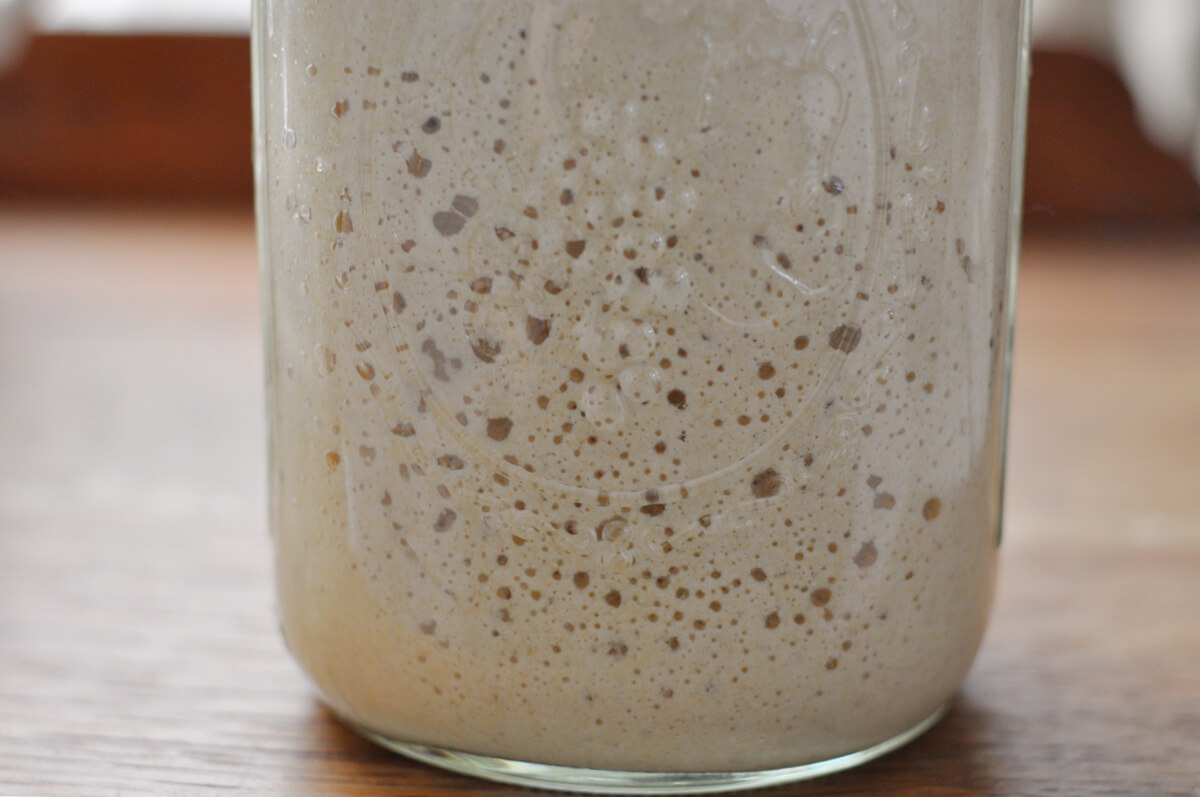
5 Signs Your Sourdough Starter Is Ready
Here are the signs to watch for that will signal that your sourdough starter is ready to use. Look for these indicators:
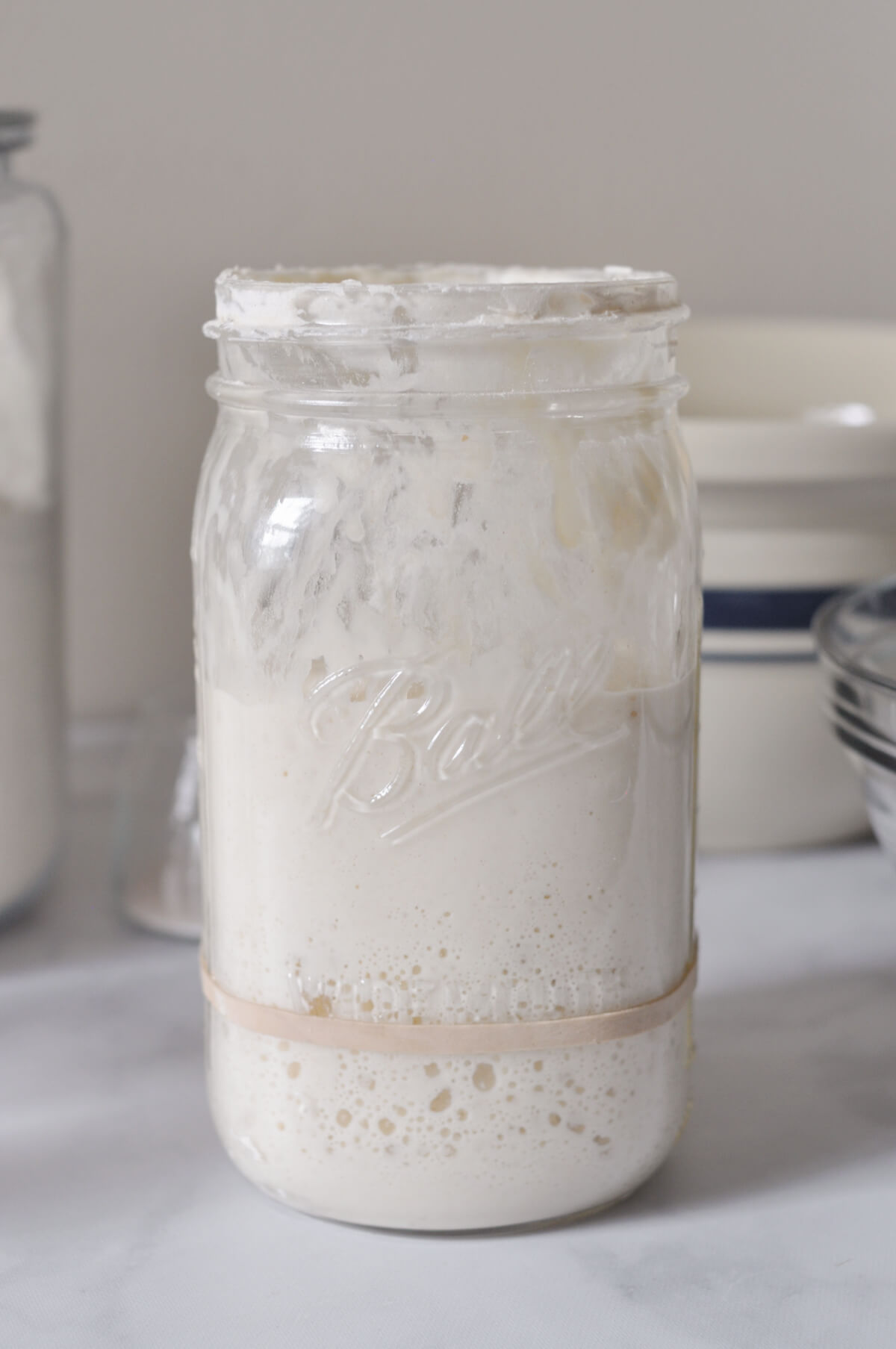
1. Doubles in Size Within 4–6 Hours After Feeding
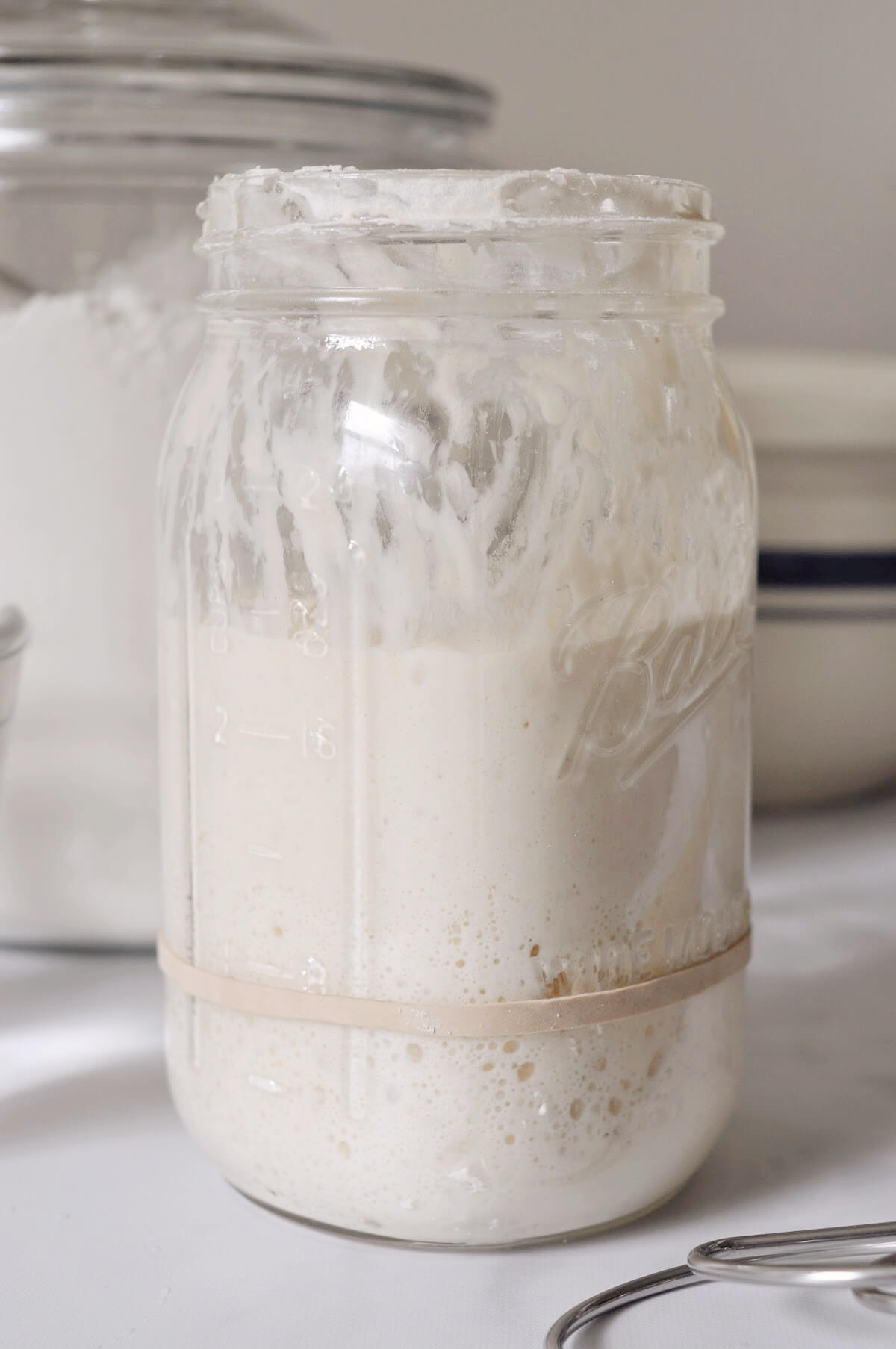
This is the most reliable sign. If your starter consistently doubles (or triples) in volume a few hours after a feeding, you’re in business.
Tip: Use a rubber band or marker on the side of your starter jar to track the rise after feeding.
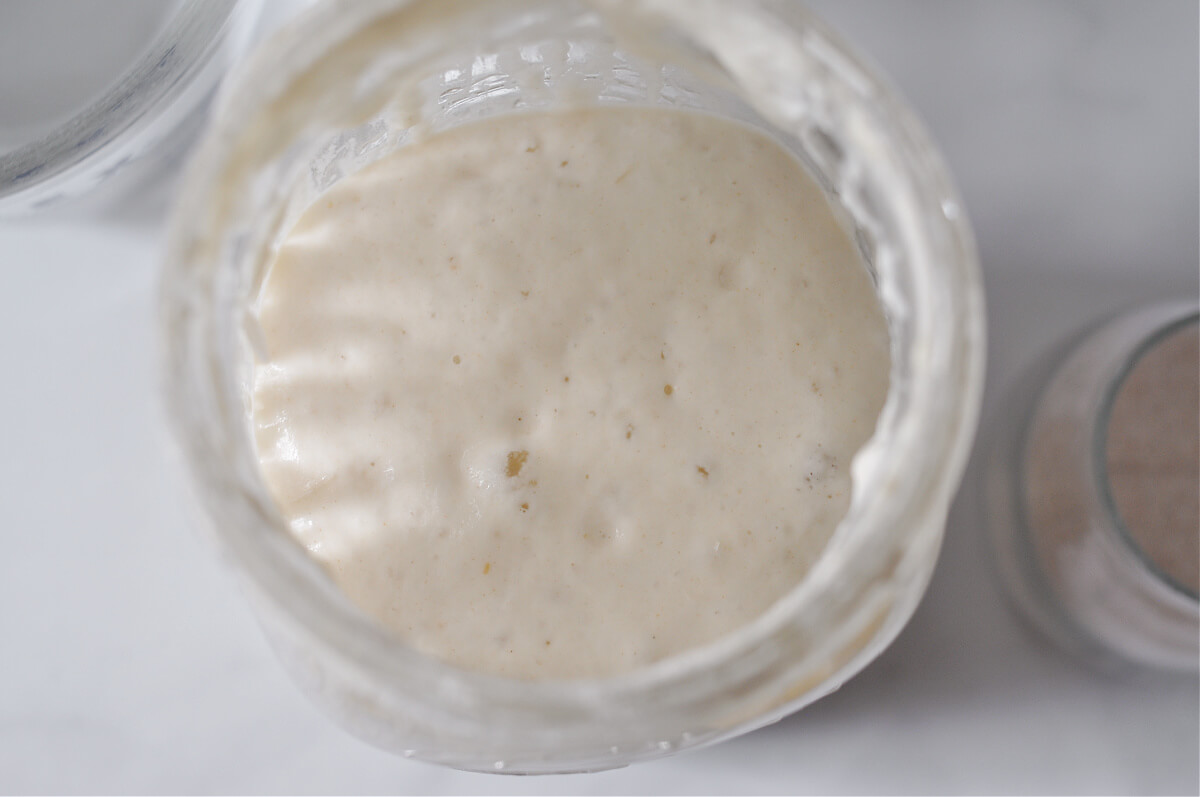
2. Full of Bubbles and Looks Frothy
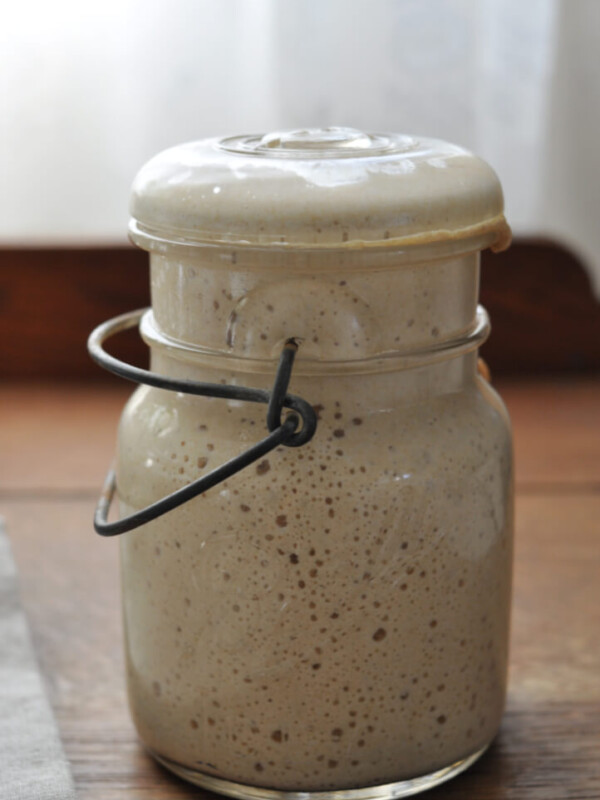
Your starter should look alive—bubbly and airy throughout, not just on the surface. This means wild yeast is active. Keeping your starter in a glass jar makes it easy to watch the growth that happens. If you see lots of bubbles on the top and sides of the jar, that’s a good sign.
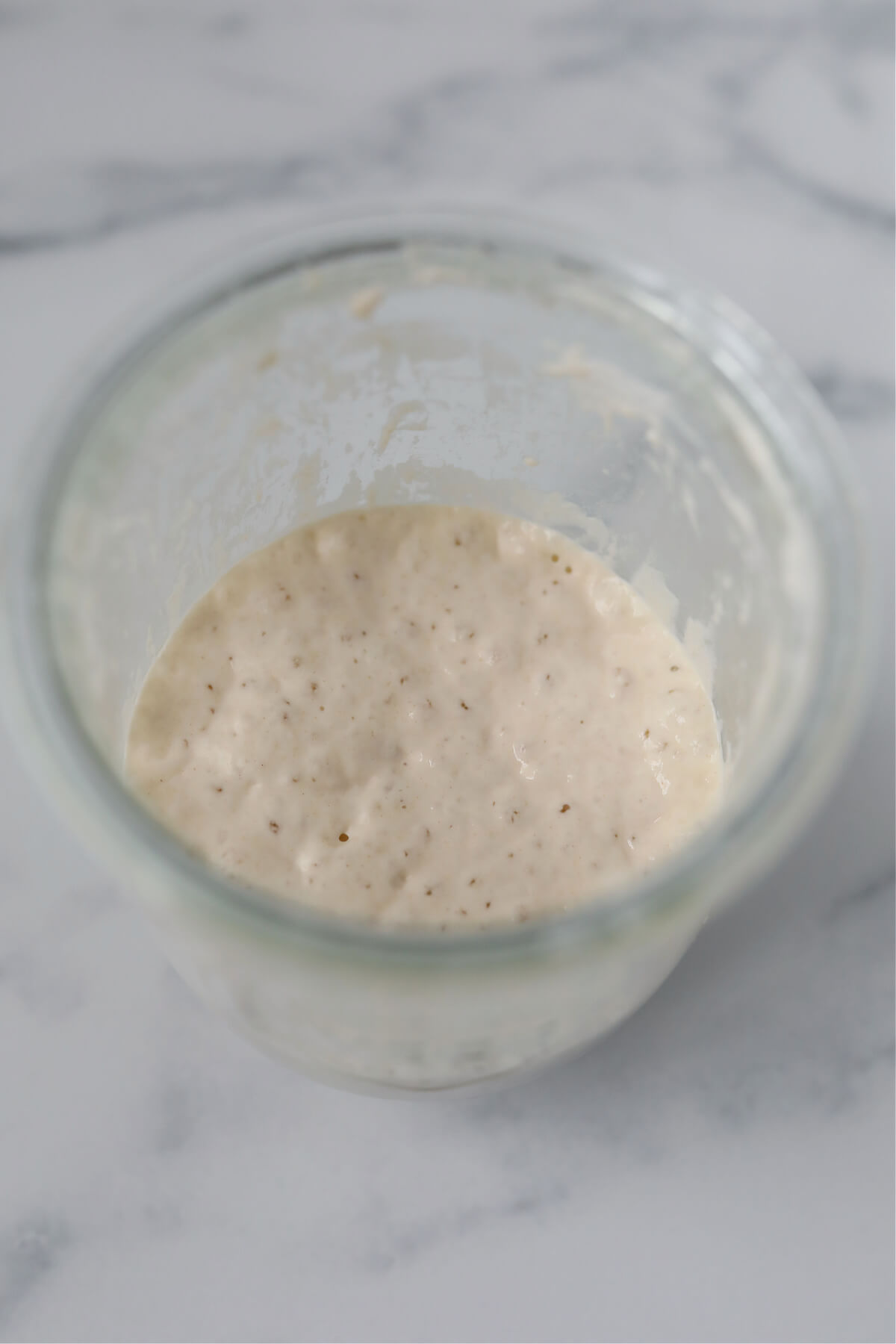
3. Smells Pleasantly Sour or Yeasty
Your starter should smell tangy—like yogurt, buttermilk, or slightly fruity. If it smells rotten or like nail polish remover, it may need more frequent feedings or better temperature control. Personally, I love the smell of my ripe starter after it’s been fed and it’s ready to bake with.
4. Passes the “Float Test” (Optional but Helpful)
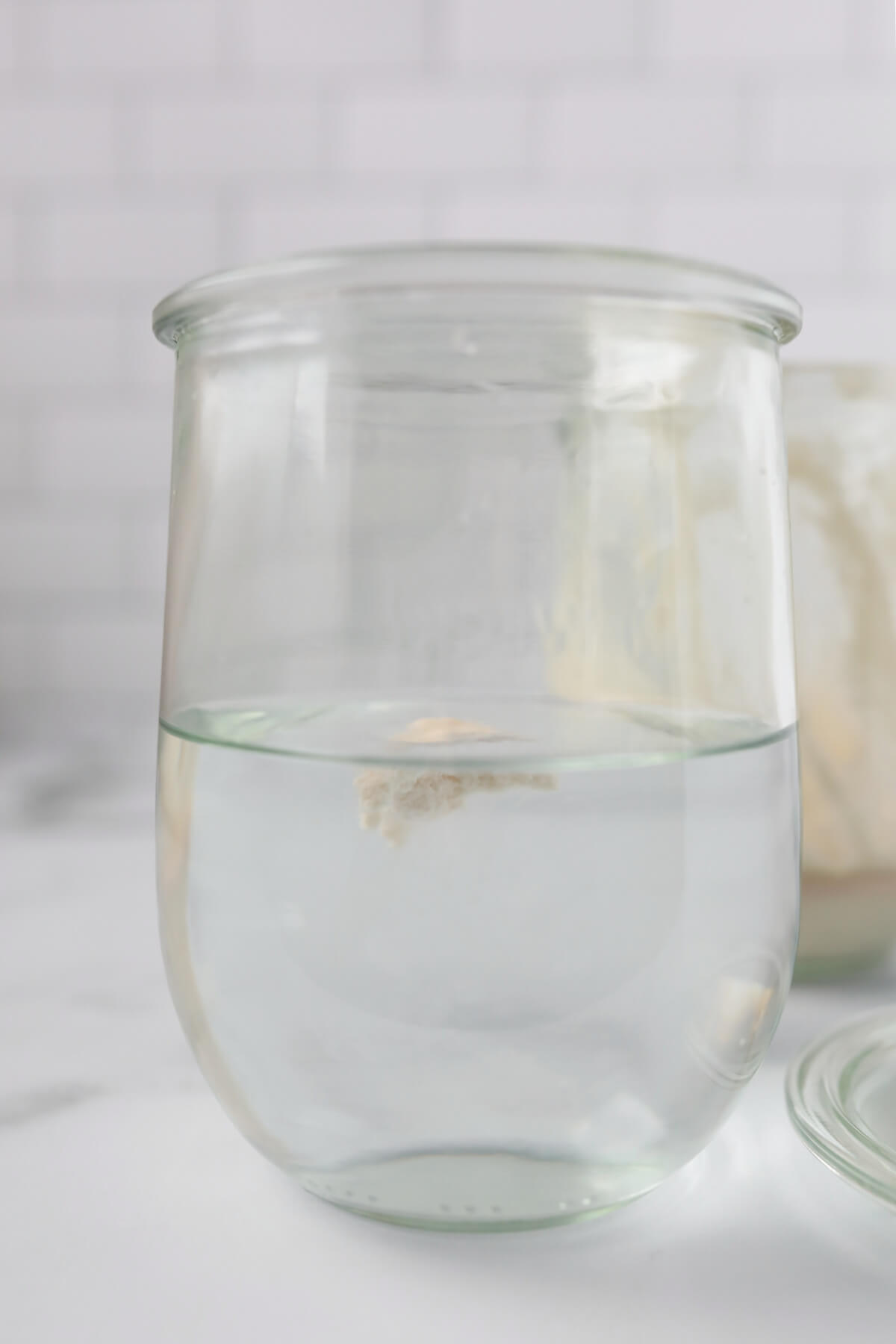
Drop a spoonful of your starter into a glass of water. If it floats, it’s usually a good sign it’s airy and active enough to leaven bread.
Note: This test isn’t foolproof. A healthy starter might not float if it’s too wet or underfed, so combine this test with other signs.
5. Consistent Behavior Over a Few Days
Consistency is key. If your starter acts the same way (doubles, bubbles, smells good) for 2–3 days in a row (after the first seven days), it’s stable and strong, and you’re on your way to an established starter.
What If It’s Not There Yet?
If you’re still waiting for these signs of growth and maturity in your sourdough starter, just be patient, and don’t panic. Here are a few different ways to strengthen your starter.
Keep feeding it regularly, ideally once every 12–24 hours, depending on your ambient temperature and how active it is.
Try switching to a warm environment (around 75–80°F / 24–27°C) and consider trying a different flour. Try a mix of all purpose flour and whole wheat or rye flour to boost activity. You can also check to make sure that you’re using fresh flour. Another option would be to use freshly milled whole wheat flour, which can also help encourage growth.
If you don’t have a warm spot in your kitchen, try this proofing box (I love mine, especially in the winter months).
Sourdough Recipes to Try:
Once your starter shows all the signs above, you’re ready to bake! Try a beginner-friendly sourdough recipe that uses active sourdough starter.
Just remember: the first few loaves may not be perfect—and that’s okay. Sourdough baking is as much about learning and adjusting as it is about baking. But soon, you’ll be baking the best bread you’ve ever had. Your starter is a living thing, and every bake will teach you more.
Sourdough starters take time to develop their unique character and strength. If you’re feeding it regularly, keeping it warm, and watching for the signs, you’re well on your way to delicious homemade bread.
Note: To learn more about sourdough, be sure to check out my Sourdough Glossary.